

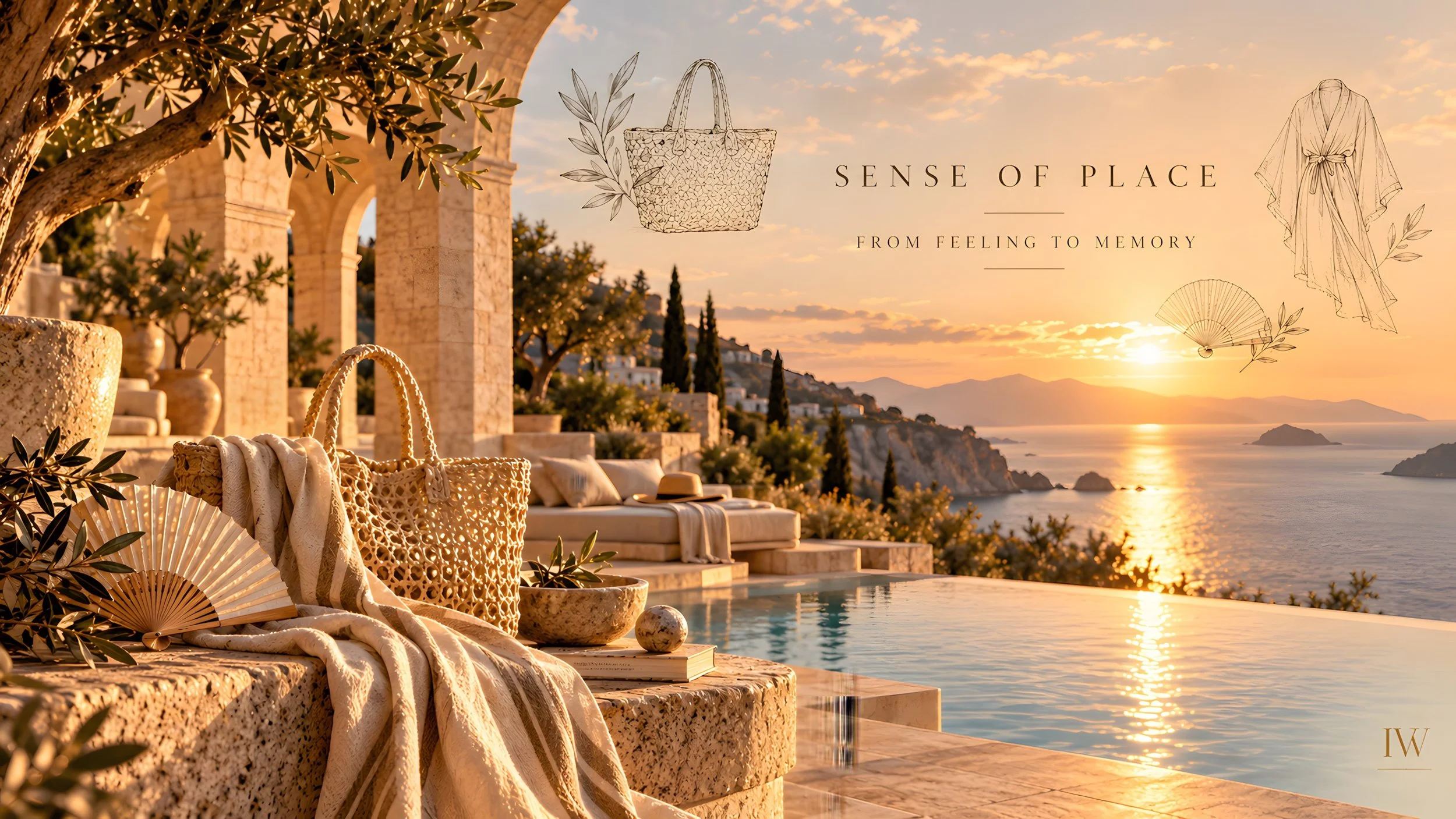
A hotel opening is one date on a calendar.
The guest experience begins much earlier.
Before the first guest walks through the door, teams are already making hundreds of decisions about operations, service, rooms, food and beverage, brand, supplies and the details that will define how the property feels.
Physical guest touchpoints deserve to be part of that conversation too.
Too often, welcome pieces, in-room objects or opening gifts are considered only when the hotel is nearly ready. By then, the question becomes:
“What can we produce in time?”
A better question is:
“What should belong to this hotel from the beginning?”
For Island Whisper Atelier, pre-opening hospitality starts with the property, the destination and the guest journey — and only then moves towards the objects that can make those moments more useful, distinctive and memorable.
The Opening Date Is Not the Starting Point
A new hotel has to bring many moving parts together before opening day.
Operational requirements need to be defined.
Teams need to understand how spaces will be used.
Supplies need to be specified.
Brand details need to work in real environments.
Guest touchpoints need to make sense not only visually, but operationally.
This is why bespoke guest-experience pieces benefit from being discussed before the final weeks of pre-opening.
A good idea may require artwork, material research, prototypes, samples, testing, packaging or coordination between several specialist suppliers.
Starting earlier does not mean deciding every object immediately.
It means creating enough time to ask the right questions before production becomes the priority.
Start With One Question: What Should the Guest Remember?
Before discussing products, it is worth defining the memory.
What should feel specific about this property?
Perhaps it is the landscape.
A garden.
The architecture.
A material used throughout the interiors.
The climate.
A local story.
A certain ritual.
A colour that appears at a particular time of day.
Or simply the feeling the hotel wants guests to carry home.
Once that is understood, physical objects become much easier to evaluate.
The question stops being:
“What can we give the guest?”
and becomes:
“What object could naturally belong to this experience?”
Map the Guest Journey Before Choosing the Objects
Guests do not experience a hotel as separate departments.
They experience one continuous stay.
That journey may include:
ARRIVAL
What creates the first sense of place?
IN THE ROOM
What does the guest discover privately and naturally?
POOL OR BEACH
What could genuinely be useful during the day?
DINING AND SOCIAL MOMENTS
Where can an object become part of a visible experience?
EXPLORING THE DESTINATION
What might travel beyond the room with the guest?
DEPARTURE
What deserves to go home?
Thinking in moments prevents a hotel from filling the property with disconnected products.
It also helps identify where one meaningful object may be more valuable than five generic ones.
Choose a Signature Object Early
Not every hotel needs a large collection.
Sometimes one object can carry a surprising amount of the property’s identity.
Island Whisper Atelier’s signature piece is the bespoke luxury hand fan.
For a warm-weather hotel, resort or destination, a fan can be useful in the room, beside the pool, on a terrace, at an opening event or while the guest explores the destination.
But the principle applies beyond the fan.
A signature object might be a textile, a travel piece, an in-room object or something developed specifically for a particular property.
What matters is not choosing the most impressive product.
It is choosing something that has a natural role within the stay.
Build One Creative Language, Not Identical Products
A coherent hotel experience does not require the same artwork or logo to appear everywhere.
In fact, repetition can make a collection feel more like merchandise than hospitality.
A stronger approach is to develop one creative language.
That might include:
a colour palette,
a material,
a botanical reference,
an architectural line,
a texture,
an original illustration where relevant,
or a small detail associated with the property.
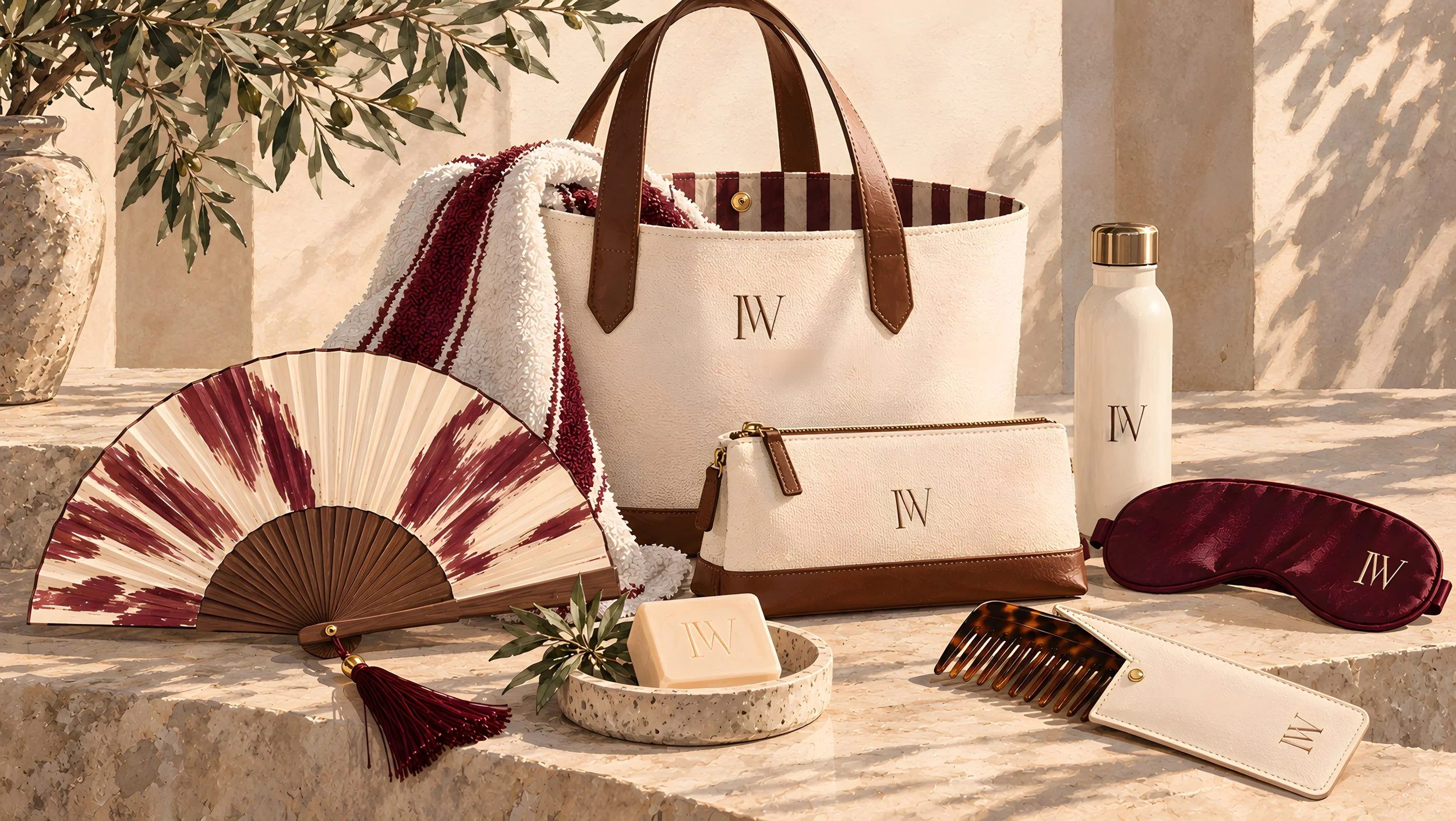
The same idea can then be interpreted differently depending on the object.
A hand fan may use illustration and engraving.
A textile may translate the palette.
A travel accessory may use the same colour or material.
An in-room piece may reference the architecture through form or finishing.
Different expressions.
One property.
Design for Operations, Not Just the Photograph
A beautiful object can still fail if it does not work inside the hotel.
Pre-opening development should therefore include practical questions.
Where will the object be stored?
Who places it in the room?
Is it a gift, a loan or part of the room setup?
Does housekeeping need to replace it?
Will the guest immediately understand its purpose?
Can it travel easily?
Does it work in the climate?
Can the material tolerate real use?
Does packaging create unnecessary operational work?
Will replenishment be straightforward?
These decisions are less visible than the finished photograph, but they often determine whether a concept works in everyday hospitality.
Luxury should feel considered.
That includes the operation behind the object.
Sampling Needs Time
Bespoke development almost always involves decisions that are easier to make with a real sample in hand.
A colour may behave differently on fabric than on screen.
A wood tone may change the feeling of an illustration.
An embroidery may need to become simpler.
A pouch may need a different proportion once the final object is inserted.
Packaging may look beautiful but take too long for the team to prepare.
Sampling gives the hotel and the creative team an opportunity to refine those details before full production.
For this reason, a complete multi-product hospitality collection should not be treated as a last-minute purchase.
Island Whisper Atelier generally recommends allowing approximately four to six months for a complete collection involving creative development, several product categories, sampling, refinements and production planning.
Simpler single-object projects can often move faster.
Bespoke hand fan production generally requires approximately three to six weeks after final design approval, with shipping time additional.
What Should Be Defined Before the First Guest Arrives?
Not every detail needs to be finished months in advance.
But a strong pre-opening process should ideally clarify several things before production begins.
1. The Guest
Who is the property designing for?
A city hotel, family resort, beach destination and private villa experience may require completely different objects.
2. The Moment
Where in the stay will the guest encounter the piece?
Arrival, room, pool, restaurant, event and departure create different needs.
3. The Purpose
Is the object intended to be used, taken home, borrowed, displayed or discovered as part of a ritual?
4. The Connection to Place
Which details of the property or destination deserve to become part of the creative direction?
5. The Level of Branding
Should the brand be visible, discreet or expressed primarily through design, colour and materials?
6. The Operational Reality
Quantity, storage, replenishment, presentation, packaging and staff handling should be considered before production.
7. The Timing
Work backwards from the required delivery date, not only from opening day.
Allow for design approval, sampling, refinement, production and shipping.
An Opening Object Should Still Make Sense After Opening Week
A hotel opening is important.
But a good guest-experience object should not exist only for the launch photograph.
The strongest pieces continue to make sense once the opening excitement has passed.
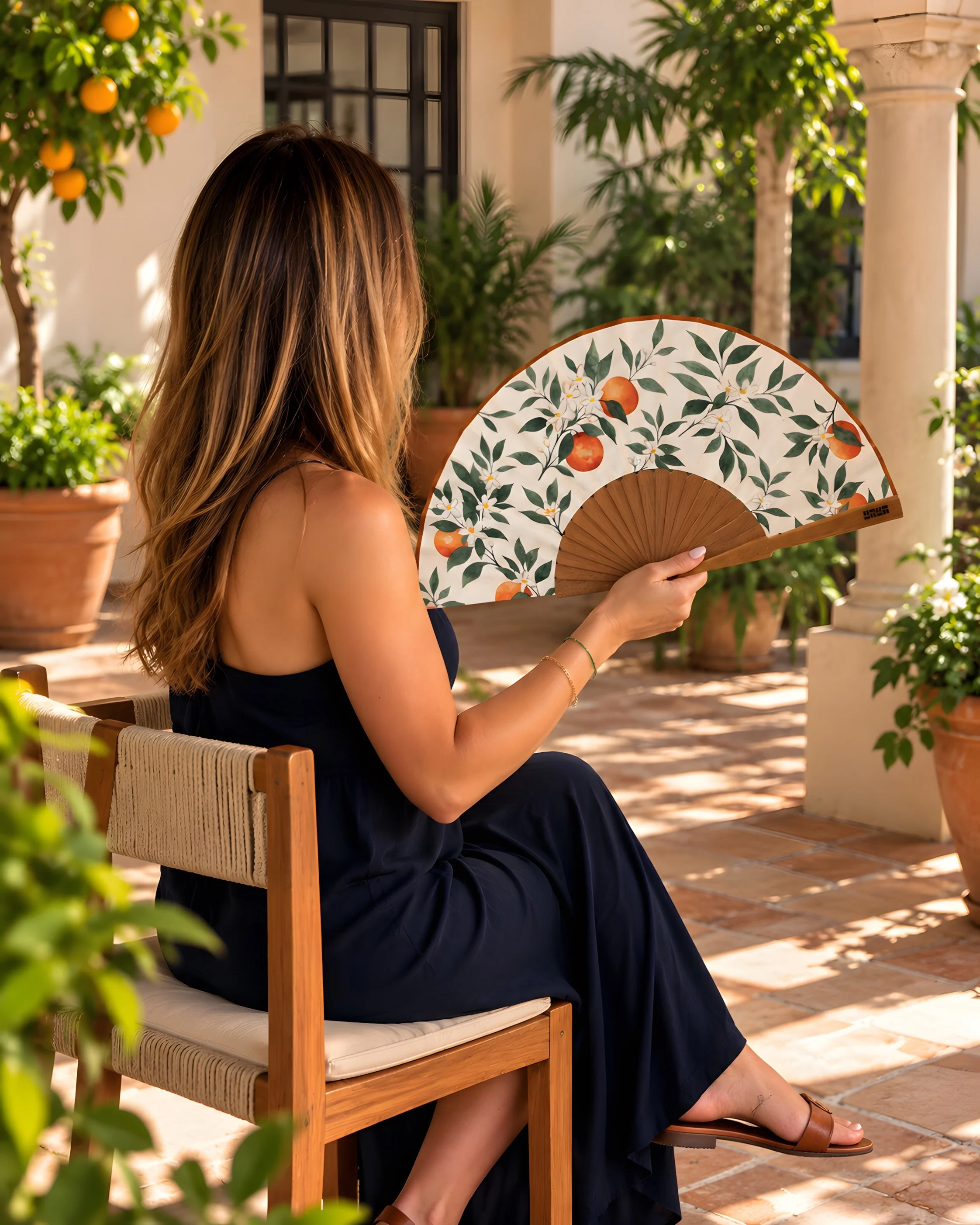
For Thompson Seville, Island Whisper Atelier developed a bespoke hand fan around one of the city’s most recognisable elements: its orange trees.
The creative direction came from the destination itself.
The piece is useful during the stay, visually connected to Seville and portable enough to continue its life after the guest leaves.
That is a useful test for any opening object:
Would this still belong to the property six months from now?
Pre-Opening Is the Moment to Create Coherence
A new hotel has one unusual advantage.
For a short period, everything is still being defined.
The guest journey has not yet settled into habit.
The team can still decide which details deserve attention, which objects are genuinely useful and which moments should feel particular to the property.
That does not mean creating more.
Often, it means creating less — but with much more intention.
One signature object.
One meaningful arrival gesture.
One useful pool piece.
One farewell detail.
One visual language connecting them.
The opportunity is not to fill the hotel before it opens.
It is to make sure the details that do appear feel as though they could only belong there.
Frequently Asked Questions About Hotel Opening Guest Experience
When should a hotel start planning bespoke guest-experience pieces before opening?
The earlier the conversation begins, the more flexibility there is for creative development, materials, sampling and production. A single bespoke object may require several weeks after approval, while a coordinated multi-product hospitality collection should ideally begin several months before the required delivery date.
What should a hotel design before opening?
The answer depends on the property and guest journey. Priorities may include a signature object, arrival or welcome touchpoints, in-room pieces, pool or beach objects, travel accessories, sensory details, VIP pieces or a farewell object. The objective is not to create everything, but to identify which moments genuinely benefit from a physical touchpoint.
Can a hotel begin a project before knowing exactly what product it needs?
Yes. Island Whisper Atelier can begin with the property, destination, guest profile and the experience the hotel wants to create. The appropriate object or collection can then be developed from that creative and operational brief.
What is a signature object in a hotel?
A signature object is a piece that expresses something distinctive about the property while having a clear role in the guest experience. It may become associated with the destination, a particular moment of the stay or the identity of the hotel. Island Whisper Atelier’s own signature piece is the bespoke luxury hand fan.
How long does a bespoke hotel-opening collection take to develop?
A complete collection involving several product categories, creative development, sampling, refinements and production planning should generally allow approximately four to six months. More technically complex or regulated products may require longer. Simpler individual pieces can often be developed more quickly.
How long do bespoke luxury hand fans take to produce?
Production generally requires approximately three to six weeks after final design approval, depending on quantity, complexity and production capacity. Shipping time is additional. Urgent requirements can sometimes be assessed individually.
Can Island Whisper Atelier coordinate sourcing and production as well as creative direction?
Yes. Depending on scope, Island Whisper Atelier can support creative direction, original artwork where relevant, product development, material and finish specification, sampling, specialist sourcing, production coordination, packaging and delivery planning.
Opening a New Hotel?
The first guests will only discover the property for the first time once.
Island Whisper Atelier works with luxury hotels and resorts to develop the physical touchpoints, signature objects and coordinated collections that help turn a new property into a place guests can recognise, use and remember.
You do not need to arrive with a product list.
Start with the property, the guest and the opening date.