

A luxury hotel can invest millions in architecture, interiors, technology and service. Every material can be beautifully selected, every room thoughtfully designed and every detail perfectly coordinated.
Yet one question deserves just as much attention:
How do we want guests to feel?
For hotels preparing to open, properties undergoing renovation or established resorts redefining their positioning, this question creates an opportunity to think beyond the physical transformation.
Because a beautiful hotel provides the setting.
A meaningful guest experience gives that setting a personal dimension.
And sometimes, the difference lies in details that were never part of the original architectural brief.
1. A Hotel Can Change Its Appearance. But Can It Change How Guests Feel?
Hotel renovations often focus on what can be seen and measured.
New interiors. Updated rooms. Improved facilities. Refined materials. A refreshed visual identity.
These investments are fundamental to the property's positioning and appeal.
But once the physical environment is in place, another opportunity emerges: translating that identity into a more personal experience for the people who will use it.
What will guests notice beyond the architecture?
What might make them feel especially considered?
Which details could express the character of the destination in a way they can genuinely experience?
For an opening hotel, these questions can be considered from the beginning.
For an existing property, they can become part of a thoughtful evolution without requiring another major physical transformation.
The objective is not necessarily to add more.
It is to create more meaning.
2. The Emotional Layer of Luxury Hospitality
Emotional hospitality does not need to be theatrical or elaborate.
Often, it is about the relationship between the guest, the environment and the small details that make an experience feel personal.
A material can communicate warmth.
An original illustration can express a sense of place.
A familiar texture or a thoughtfully chosen object can become associated with a particular moment.
The important distinction is between something that has simply been placed in the hotel and something that feels as though it truly belongs there.
This is where creative direction matters.
Objects should not compete with the architecture or interrupt the guest experience.
They should complement the property's identity, its atmosphere and the expectations of its guests.
The emotional layer is not necessarily another service or another amenity. It is the intention behind the details that already form part of the experience.
3. Why Island Whisper Atelier Begins With Three Questions
Many hospitality product conversations begin with a catalogue.
A supplier presents available products, colours, finishes and personalisation options. The hotel chooses what it likes and decides where to place its logo.
That approach can be appropriate for standard purchasing requirements.
But creating a distinctive hospitality experience calls for a different starting point.
At Island Whisper Atelier, we begin with three questions:
1. What makes this property different?
We explore its identity, architecture, destination, history, character and visual language.
Not to reproduce these elements literally, but to understand what makes the property recognisable.
2. Who are its guests?
A property's clientele influences what is meaningful, functional and appropriate.
A design must respond to the people who will actually encounter and use it.
3. What emotion or experience do we want to create?
Should a detail communicate a sense of discovery, warmth, calm, connection or belonging?
What do we want guests to feel in that moment?
And what might they remember after leaving?
Only after exploring these questions do we begin thinking about the objects themselves.
This is why Island Whisper Atelier does not work from a fixed catalogue.
We are not simply choosing products and applying a hotel's identity to them.
We interpret the identity of a place and translate it into meaningful experiences through objects designed with purpose.
4. The Right Object Is Not Always the Most Obvious One
A luxury hotel does not necessarily need another product.
It needs to understand which physical details might contribute to the experience it wants to create.
Sometimes that means developing an original design.
Sometimes it means refining an existing object through materials, proportions or finishes.
And sometimes it means deciding that an idea does not belong in the project at all.
That last decision is particularly important.
Not every object works in every destination.
Not every material suits every environment.
And not every form of personalisation creates value for the guest.
The creative process should take into account aesthetic direction, real usability, operational practicality and production feasibility.
The strongest solution is not necessarily the most complicated.
It is the one that feels right for the property and its guests.
5. From Hotel Branding to a Recognisable Sense of Place
A hotel logo can identify a product.
But identity can be expressed in much more subtle and sophisticated ways.
Through original artwork.
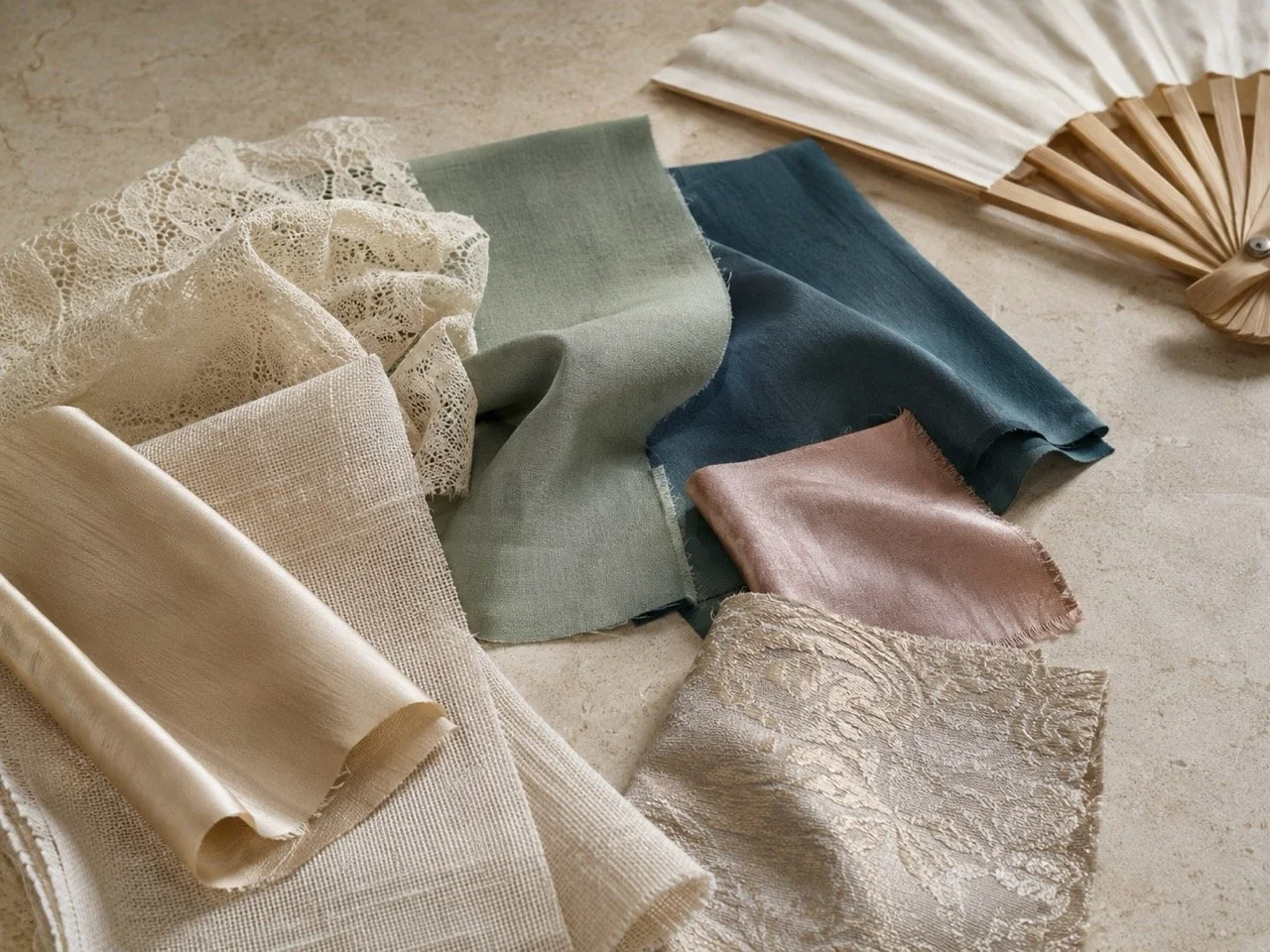
Through carefully selected materials.
Through colour, texture, proportion and finishing.
Through visual references that connect naturally with the architecture or landscape.
These elements allow a property to develop a recognisable design language without turning every object into obvious merchandise.
This is particularly valuable for hotels that are opening or redefining their image.
The aim should not be to fill the property with identical branded objects.
It should be to create consistency in the way its identity is expressed.
A collection can contain different materials and designs while still feeling unmistakably connected to the same place.
For luxury hospitality, that consistency can be more valuable than repetition.
6. Why Beautiful Spaces Are Not Always Enough
Architecture and interior design establish the physical environment of a hotel.
They determine how spaces function, how people move through them and how the property presents itself.
They are essential.
But guests also interact with smaller, more personal elements.
They touch materials, use objects and discover details that may not have been part of the architectural design process.
These encounters are opportunities to reinforce the property's identity.
Island Whisper Atelier operates within this complementary creative space.
We do not replace architects, interior designers or hotel operations teams.
Instead, we focus on how bespoke objects and selected physical details can express the identity of the property and contribute to the intended guest experience.
The relationship between these disciplines is important.
Architecture establishes the environment.
Service shapes the interaction.
Thoughtful objects can provide another way for guests to connect with the place.
7. Bespoke Hospitality Design Is More Than Personalisation
The word bespoke is frequently associated with adding a name, colour or logo to an existing product.
But genuine creative development can begin much earlier.
It may involve original artwork, alternative materials, new proportions or a completely different interpretation of an object.
The objective is not customisation for its own sake.
Every decision should serve a purpose.
What will this piece communicate?
Will guests enjoy using it?
Does it feel appropriate to the destination?
Can its quality and finishing meet the expectations of the property?
Is the design practical to produce and maintain?
A considered approach balances creativity with the operational needs of the hotel.
This matters particularly when projects involve several product categories or require coordination between design, sampling, sourcing and production.
Discover our approach to luxury hotels and resorts.
8. The Hand Fan: A Signature Object, Not a Starting Limitation
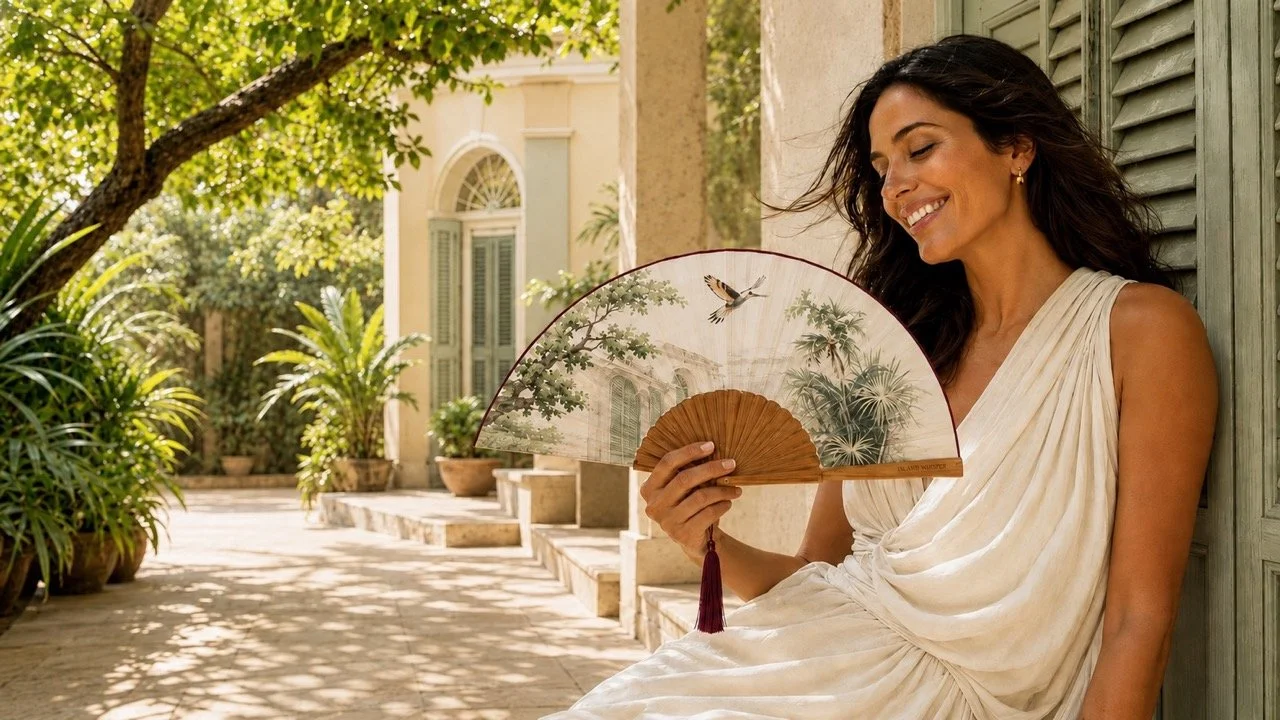
The bespoke hand fan remains a signature creation of Island Whisper Atelier.
Its combination of function, movement, original artwork and material expression makes it particularly interesting for selected destinations and hospitality environments.
A hand fan can communicate a property's identity without relying on oversized branding or conventional souvenir imagery.
But our creative approach is not limited to hand fans.
Depending on the project, the most appropriate expression may be another carefully designed object or a collection of complementary pieces.
The decision comes after understanding the property, its guests and the desired experience.
That distinction is essential.
We do not begin by trying to sell a particular object. We begin by understanding what the object should achieve.
Explore our bespoke luxury hand fans.
9. Opening, Renovating or Repositioning: When Should This Work Begin?
The right moment depends on the needs of the property.
For a new hotel, bespoke guest-facing details can be explored while the overall concept and identity are being developed.
For a renovation, they can help translate a renewed visual direction into elements that guests personally encounter.
For an established hotel, they can support a repositioning strategy or the introduction of a more distinctive creative identity.
In each case, early discussion is helpful.
It provides time to understand the brief, evaluate possible materials, develop designs, prepare samples and confirm production requirements.
It also helps avoid treating meaningful design decisions as last-minute purchasing tasks.
The purpose is not to create additional complexity during an opening or renovation.
It is to make sure the right details have been considered at the right stage.
For additional context, read our article on hotel openings and guest experience planning.
10. Designing for Emotion Without Forgetting Reality
A compelling creative concept still needs to work in practice.
Luxury hospitality objects must meet the property's quality expectations and suit their intended environment.
Before production, it is important to consider materials, durability, finishing, quantities, lead times and relevant technical or regulatory requirements.
An object intended for occasional use may require different specifications from one designed for repeated handling.
Similarly, a decorative concept may need to be adapted for practical use.
This does not diminish creativity.
It is part of turning an idea into a credible hospitality solution.
The objective is to develop something that looks considered, feels appropriate and works as intended.
11. The Opportunity Is Not to Add More. It Is to Create Something More Meaningful.
A hotel opening or renovation creates a moment of possibility.
The property has the opportunity to reconsider not only how it looks, but also how it communicates its identity and connects with guests.
That does not necessarily require an extensive collection of new objects.
It begins with understanding what makes the place distinctive and what guests should feel.
From there, carefully chosen physical details can help express an identity that goes beyond appearance.
This is the space in which Island Whisper Atelier works.
We begin with the property.
We consider its guests.
We define the intended experience.
And only then do we explore the objects that can bring it to life.
You do not need more objects. You need the right ones, created for the right reasons.
Frequently Asked Questions
How can a hotel improve guest experience during a renovation?
Beyond physical improvements, a hotel can consider how its renewed identity is expressed through guest-facing details, materials, bespoke objects and thoughtful design decisions.
What is emotional hospitality design?
It is a design approach that considers not only how something looks or functions, but also the feelings and associations it may create for guests.
Does bespoke hospitality design always require new products?
No. It may involve refining existing objects, developing original artwork, selecting different materials or creating new pieces when appropriate.
Can an established luxury hotel benefit without a full renovation?
Yes. A property can explore selected guest-facing details and bespoke collections without necessarily changing its architecture or interiors.
What makes Island Whisper Atelier's creative approach different?
We begin with the property, its guests and the emotion or experience we want to create. Only then do we explore the most appropriate objects, materials and designs, rather than starting from a fixed product catalogue.
Create an Experience That Belongs to Your Property
At Island Whisper Atelier, we develop bespoke luxury hand fans, distinctive objects and tailored hospitality collections inspired by the identity of each property.
Whether you are preparing an opening, exploring a renovation or refining your hotel's positioning, our starting point remains the same:
The property. The guest. The experience.