

Luxury is not defined by the number of objects a hotel offers. It is defined, in part, by how naturally those objects belong to the place, the atmosphere and the experience.
For luxury hotels and resorts, this creates an interesting design challenge: how can a property develop distinctive details that guests appreciate without making every element feel like a promotional product?
The answer often begins long before choosing a material, a colour or a finishing technique. It begins with understanding the property itself.
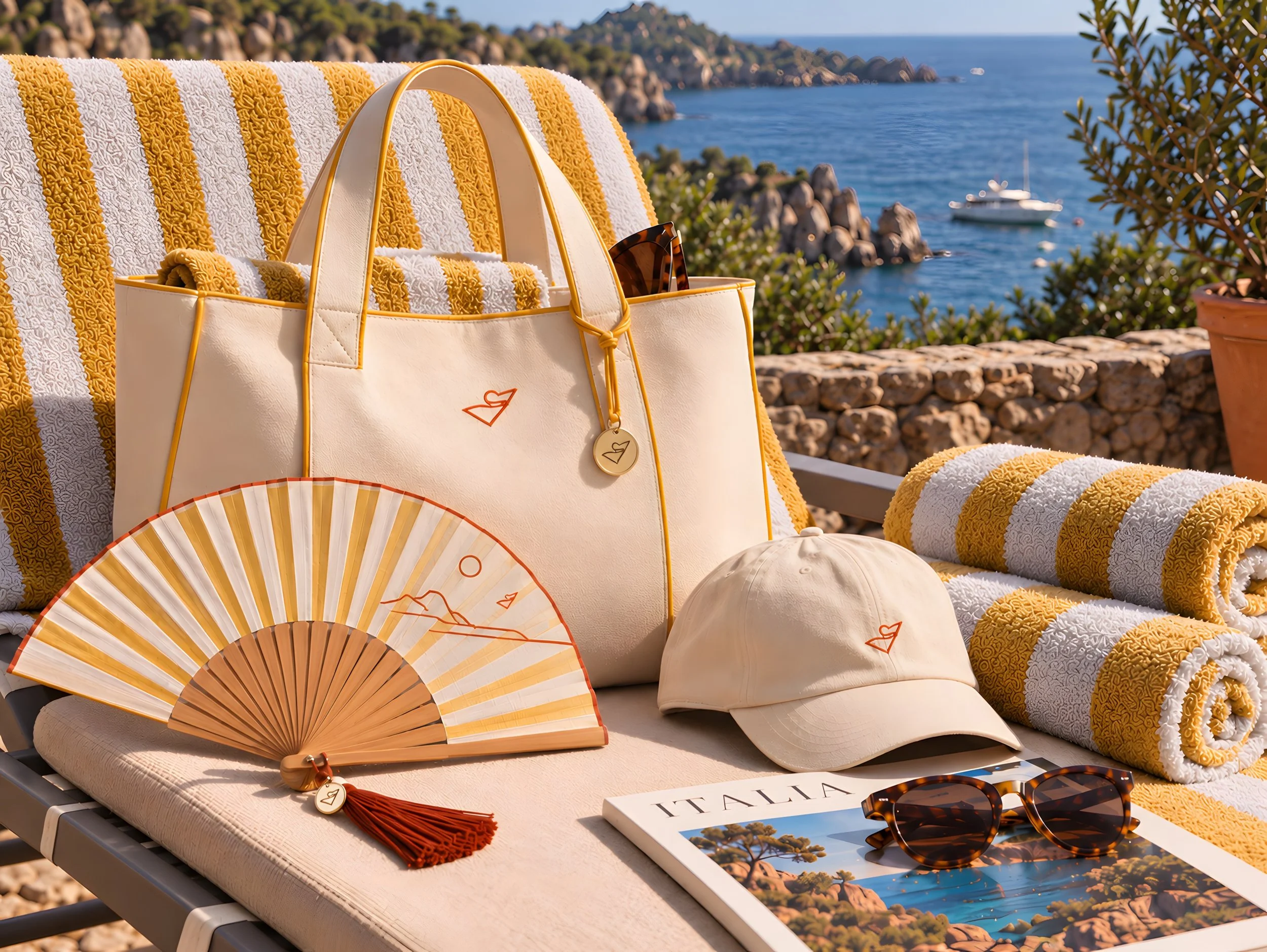
1. A Luxury Resort Should Feel Like Somewhere, Not Anywhere
A beautiful hotel can offer exceptional architecture, refined interiors and attentive service. Yet what makes a destination memorable is often its individual character.
A Mediterranean resort, an urban design hotel and a tropical retreat should not all communicate the same identity through their guest-facing objects. Their landscapes, materials, architectural details and cultural references offer different starting points.
At Island Whisper Atelier, this principle shapes our creative approach:
We do not start with a catalogue. We start with the place.
Rather than selecting an existing product and adding a logo, we explore the visual and sensory identity that makes each property distinctive. The objective is not to reproduce the destination literally. It is to translate its character into details that feel considered and relevant.
2. The Difference Between Branding and a Design Language
Brand recognition matters in hospitality, but a logo alone does not create a distinctive guest experience.
A coherent design language can be expressed through colour, proportion, material, texture and original artwork. These elements help different objects feel as though they belong to the same property, even when they serve different purposes.
A subtle reference to the local landscape may be more meaningful than a large printed hotel name. A carefully chosen finish may connect more naturally with the interior architecture than an obvious decorative motif.
This approach also gives hotels greater flexibility: a design language can evolve across future collections without requiring every piece to look identical. The result is a recognisable identity rather than a collection of unrelated branded products.
3. Useful Objects Can Carry More Meaning
A beautifully designed object becomes especially valuable when guests have a genuine reason to use it. Function and aesthetics should support one another.
Consider the difference between an item selected simply because it can carry a logo and an object developed around the needs of the property's guests. The second requires more thought.
Who will use it? In what environment? How should it feel? Does its quality match the hotel's positioning? Will it remain practical beyond its first use?
These questions help distinguish a considered hospitality object from generic merchandise.
For example, a bespoke hand fan may combine original artwork, an appropriate material and a functional purpose in a warm destination. Its visual identity can express the property without overwhelming the design. The same principle applies to many other categories.
A meaningful detail should be desirable and useful even before the guest notices the branding.
4. The Importance of Materials, Colour and Texture
Materials communicate quality before a guest reads a label.
The appearance of wood, the feel of a textile, the construction of a pouch or the precision of an engraved detail all influence how an object is perceived. For this reason, material selection is part of creative direction, not simply a manufacturing decision.
Hotels should consider visual consistency, everyday usability, durability and the environment in which a piece will be used. Colour requires similar care.
Rather than reproducing an entire interior palette, a collection may use selected tones that complement the architecture and retain their own identity. Original artwork, restrained personalisation and refined finishing techniques can then add character without making the product feel overly commercial.
5. Bespoke Does Not Mean Unnecessarily Complicated
Custom development should create clarity, not complexity. A good hospitality project begins with a defined purpose, a clear aesthetic direction and realistic production requirements.
Before finalising a design, it is important to establish the intended quantities, material specifications, personalisation method, sampling process and delivery expectations.
Some pieces may require only selected bespoke finishes. Others may involve original artwork or a completely new construction. The appropriate approach depends on the property and the role of the object.
The goal is not to customise every possible detail. It is to identify which decisions genuinely contribute to the result. This is especially important when a hotel is developing more than one product category.
A clear creative direction can help maintain consistency while allowing each piece to fulfil its own purpose.
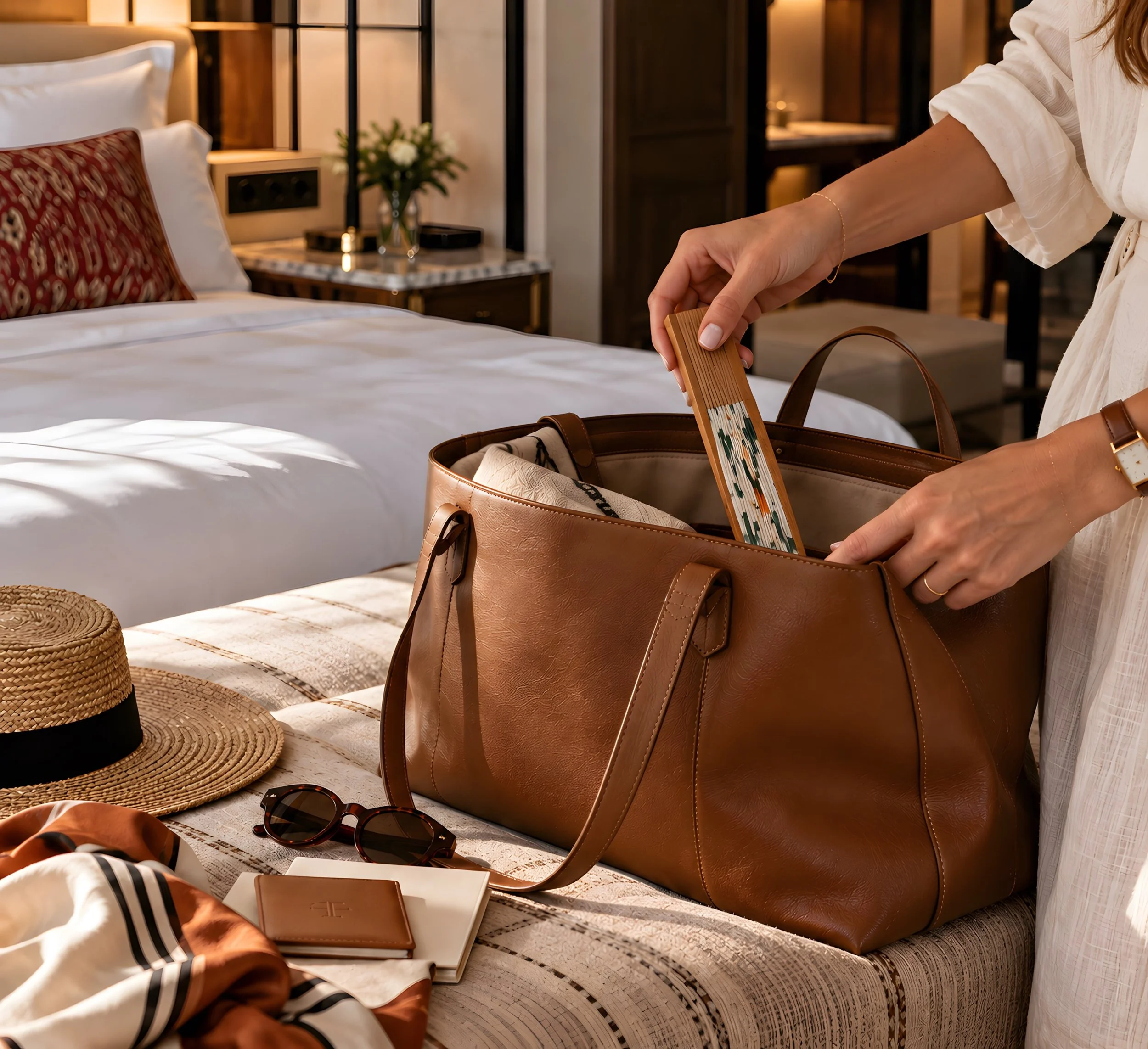
6. Why the Hand Fan Remains a Distinctive Hospitality Object
The hand fan has a particular place within Island Whisper Atelier. It combines movement, functionality and an expressive surface for design.
Its history also gives it a cultural dimension that few conventional promotional objects possess.
For selected luxury hospitality projects, bespoke hand fans can offer a refined expression of destination identity through original artwork, materials and finishes. They can be understated, architectural, botanical or contemporary, depending on the property.
The design need not rely on monuments, obvious souvenirs or oversized branding. What matters is that the object feels authentic to the project's creative direction.
Discover our approach to bespoke luxury hand fans.
7. From Individual Products to a Coherent Hospitality Collection
A hotel may need different types of objects across its operations. The challenge is ensuring that their design reflects the same identity rather than allowing each purchasing decision to create a completely different visual result.
A coherent collection does not mean that everything must use the same colour, motif or material. It means that the pieces share an underlying creative logic.
That logic might be expressed through selected colours, consistent proportions, original illustrations, discreet personalisation or complementary material finishes. This allows a collection to feel deliberately developed for the property.
At the same time, practical decisions must remain central: manufacturing feasibility, quality expectations, intended use and the requirements of the destination market.
Explore our hospitality sourcing and production approach.
8. The Guest Experience Begins With Better Questions
Before creating a bespoke collection, hotel teams can benefit from discussing a few essential questions:
What makes this property different from other luxury hotels?
Which aspects of the destination should influence the creative direction?
Who are the guests, and what do they genuinely value?
Which objects have a clear purpose?
What level of customisation is appropriate?
Which materials, finishes and specifications are practical?
How will the collection remain consistent as the property evolves?
These questions shift the conversation away from selecting products and towards designing with intention. They also help avoid unnecessary complexity.
9. A Distinctive Experience Is Built Through Consistency
The strongest hospitality identities are rarely expressed through a single object. They emerge when design decisions support one another.
A considered selection of materials, a recognisable colour direction, useful details and an understanding of the property's character can create a more cohesive experience.
That coherence matters because guests encounter the hotel as a whole, not as a series of separate purchasing decisions. For luxury resorts, the opportunity is to ensure that even the smallest physical details belong to the same story.
The destination comes first. Everything else follows.
Learn more about Island Whisper Atelier's work with luxury hotels and resorts.
Frequently Asked Questions
What is luxury resort guest experience design?
It is the process of shaping the details that contribute to how guests perceive and experience a resort, including its visual identity, physical objects and overall sense of place.
What makes a bespoke hotel amenity different from a standard product?
A bespoke amenity is developed or adapted for a particular property, with considered design choices relating to its identity, intended use, materials or finishes.
Do all hospitality objects need a hotel logo?
No. A property's identity can also be expressed through original artwork, colours, textures, materials and subtle design details.
Can different products form one cohesive hotel collection?
Yes. Different objects can share a consistent creative direction without using identical designs or materials.
How early should a hotel discuss bespoke product development?
As early as practical, particularly when original design, sampling, custom manufacturing or coordination between several product categories is required.
Create Something That Belongs to Your Property
At Island Whisper Atelier, we develop bespoke luxury hand fans, distinctive objects and tailored hospitality collections shaped by the identity of each property.
Our work begins with understanding the destination, the guest and the experience the hotel wants to create.